
Healing Outside the Therapy Room
A Space for the Exquisitely Sensitive
Welcome to a collection of reflections and resources designed for the deep feelers, the neurodivergent thinkers, and the burnout-prone helpers.
In a world that often tells you that you are "too much" or that you need to "toughen up," this blog is a reminder that your sensitivity is not a problem to be solved; it is a gift to be honored. Whether you are navigating a later-in-life ADHD or autism discovery, unlearning years of masking, or trying to find your way out of survival mode, these posts are written with your nervous system in mind.
What You’ll Find Here:
Navigating Neurodivergence: Insights on ADHD, autism, and the unique experience of moving through the world as a highly sensitive adult.
Building Internal Safety: Practical and gentle ways to move from constant bracing to self-trust and belonging.
Unmasking & Identity: Explorations on shedding the "performance" of being okay and reclaiming your unapologetic self.
Boundaries without Guilt: Support for the deep feelers and caregivers learning to protect their energy.
Have a topic in mind? If you don’t see the topic you are looking for and you would like me to cover it, please feel free to send me a request here. I would genuinely love to hear from you.
Running on Empty: A Neurodivergent Guide to Burnout Recovery
Neurodivergent burnout is different from regular burnout at the level of lived experience and the path to recovery.
Regular burnout is like running out of fuel and praying you’ll make it to the next gas station. ND burnout is like that too, except the car is foreign and so are the traffic laws.
A Year of Integration: Power, Belonging, and Winter Wisdom for Autistic Women
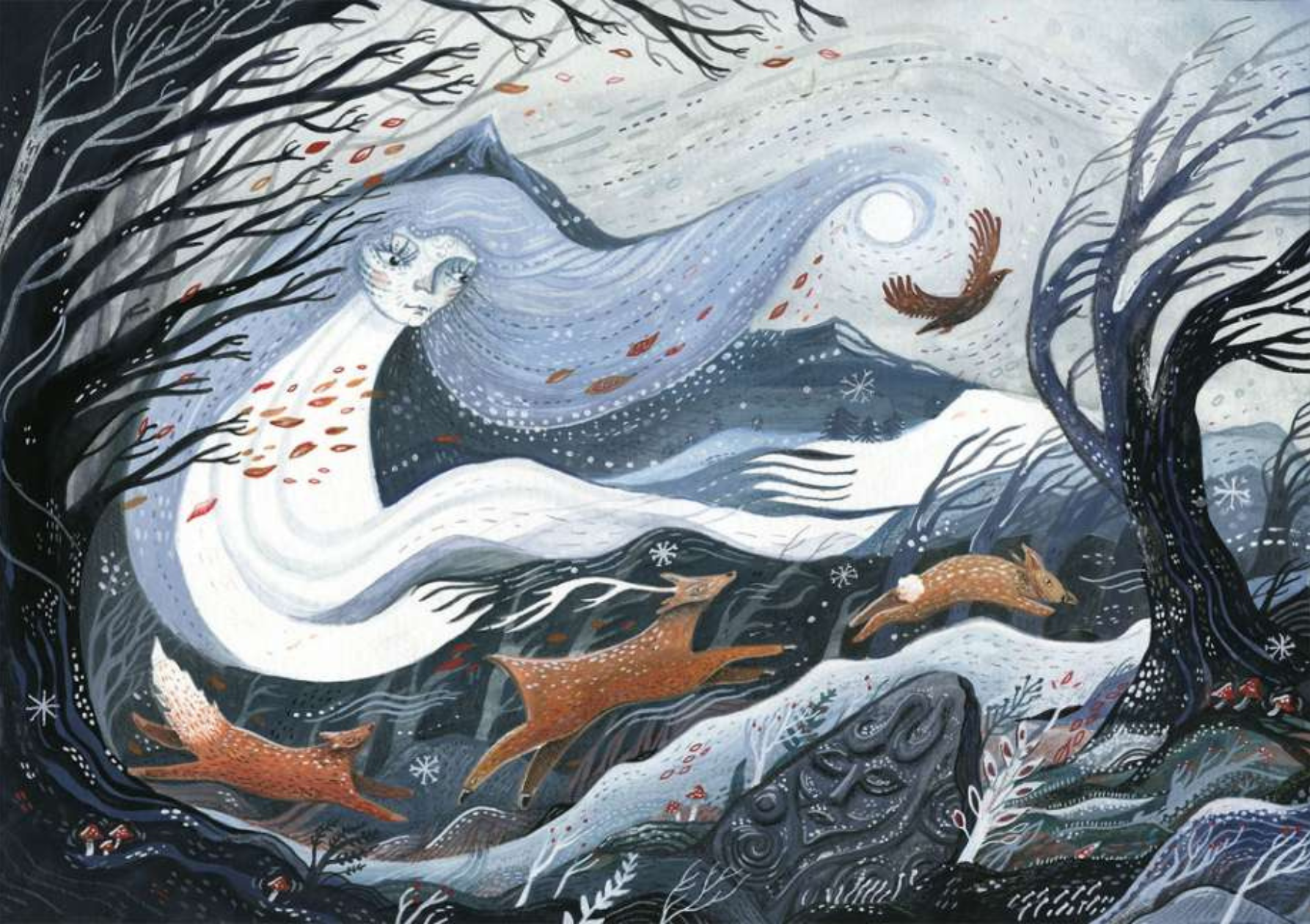
In Celtic mythology, the Cailleach is the ancient keeper of winter. She governs storms, stone, sea, and stillness — not as punishment, but as preservation.
She is known to take many forms. She wears many faces. But unlike the exhausting shape-shifting so many of us are taught to perform, the Cailleach does not fracture herself to be acceptable. She embodies the whole.
She commands respect for difference — for terrain, weather, timing, and limits. She does not ask the mountain to become the sea, or the winter to behave like summer. She honors what is, and in doing so, holds immense power.
For years, I have returned to her wisdom as a way of understanding my own nervous system, my work, and my relationship to the world.
This year feels unmistakably like a Cailleach year for me.
Not a year of reinvention —
but a year of integration.
Neurodivergent Joy, Sensory Haven, and the Whymeez
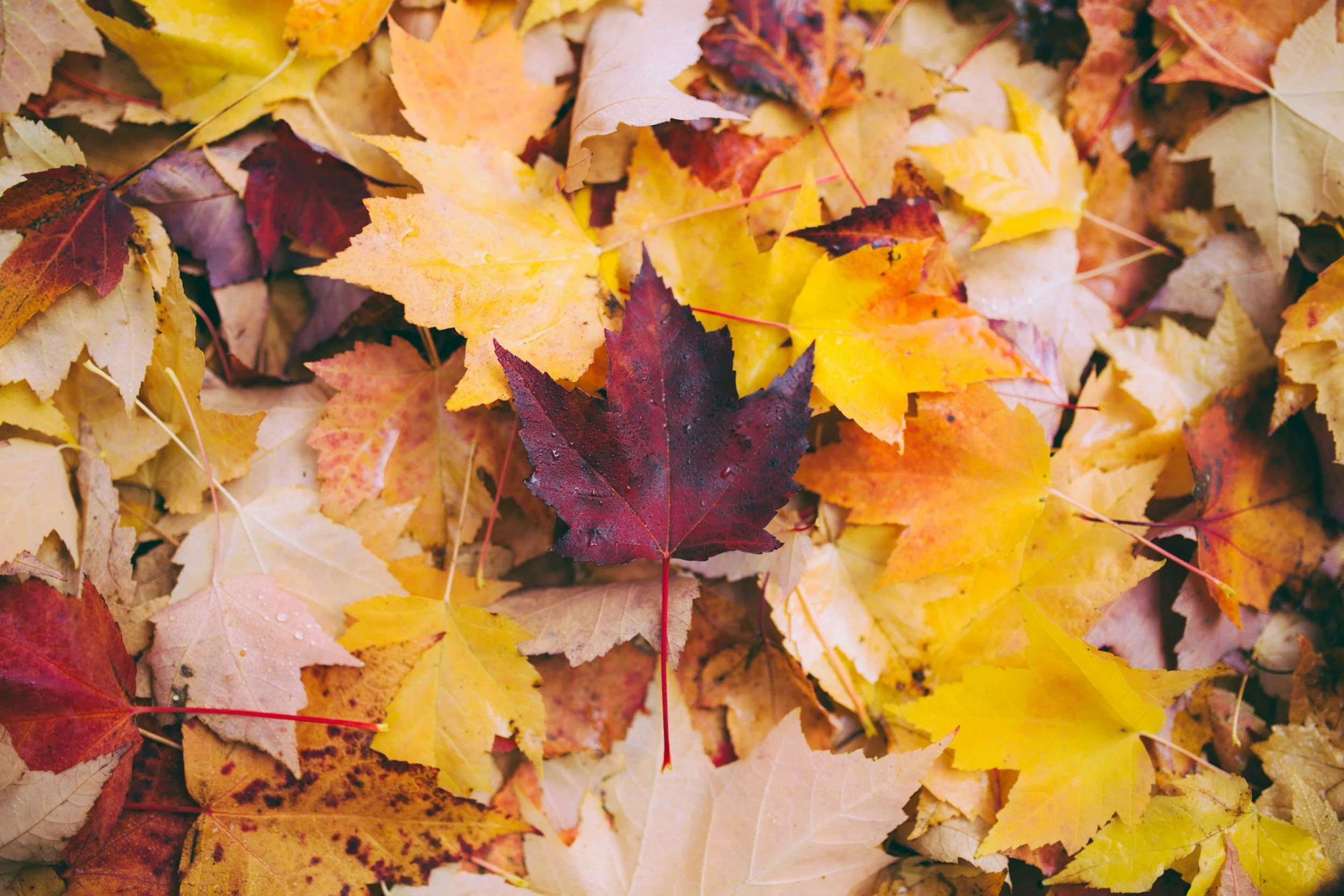
Crisp autumn mornings. Trees emblazoned with rich yellows, oranges, and burgundy. The alluring scents of pumpkin, cinnamon, and vanilla.
I love the harbingers of fall—along with the bittersweet kiss of nostalgia this season always seems to promise. Themes of letting go and self-reflection fit the waning daylight like a glove, and we quite literally offset them with our own sources of light. Thank you, Thomas Edison, and thank you to the ancient civilizations who first gave us candlelight.
Perhaps it’s because of the darkness that we begin to rely more heavily on our senses—the feeling that lends itself to cozy blankets, the smelling that inspires scented candles, and the tasting that calls for warm soups and chilis—pleasantly intoxicating when we slow down enough to notice. For me, honoring my unique sensory experiences has become a non-negotiable practice born from the realization that on the other side of sensory overwhelm lies sensory haven.
Sometimes being sensory-sensitive can feel isolating, inconvenient, and frustrating. But here’s what I’ve learned. We aren’t all meant to thrive in the same ways, hence the parallels between biodiversity and neurodiversity. And while it can feel lonely to sit out of loud and crowded spaces where others seemingly thrive, it can feel empowering to curate your own environmental haven through the senses.


